GFRC Façade – The Art of Concrete in Global Luxury Architecture
1. Introduction
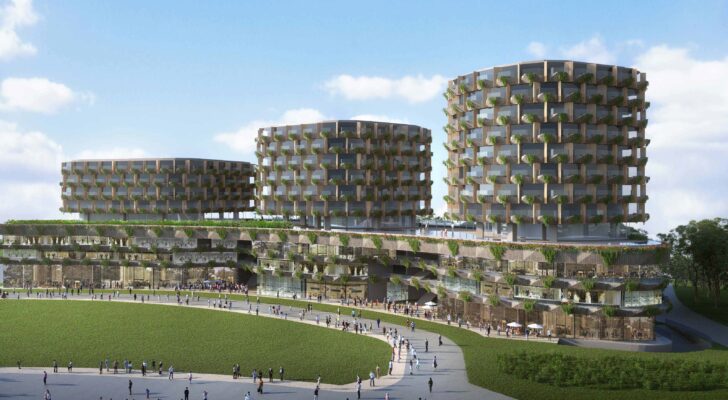
In contemporary architecture, the façade is no longer a boundary—it is an integral part of the architectural expression itself. It defines the dialogue between light, proportion, and material, revealing both the architect’s intent and the building’s character.
Amidst glass, metal, and stone, GFRC (Glass Fiber Reinforced Concrete) has emerged as a material that bridges engineering precision with aesthetic restraint. Through technological advancement and refined craftsmanship, GFRC façades demonstrate how a traditionally structural material can articulate texture, depth, and permanence within modern design.
2. The Façade: Where Light Meets Matter
In architectural theory, the façade represents the point where architecture meets its environment.
High-performance concrete systems such as GFRC are engineered to balance aesthetic precision, structural performance, and climatic response.
Each surface interacts uniquely with light and atmosphere:
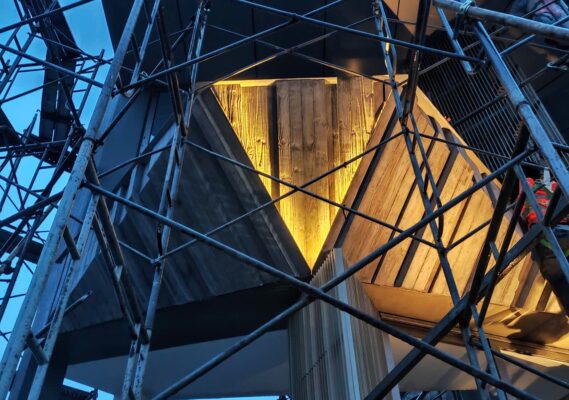
Shadow play: micro-reliefs that change tone and definition throughout the day.
Gradient textures: surfaces that appear dynamic and alive.
Neutral palettes: colors that harmonize with surrounding materials and light conditions.
These qualities allow GFRC façades to transition seamlessly between structure and surface, achieving a sense of timeless solidity without visual heaviness.
3. Engineering Meets Emotion
Modern GFRC façade systems represent a convergence of engineering logic and sensory experience.
Advanced material technology
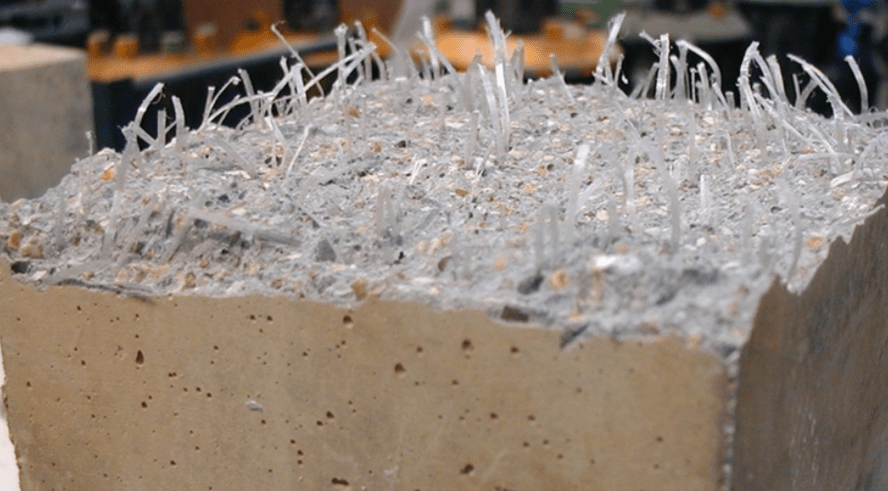
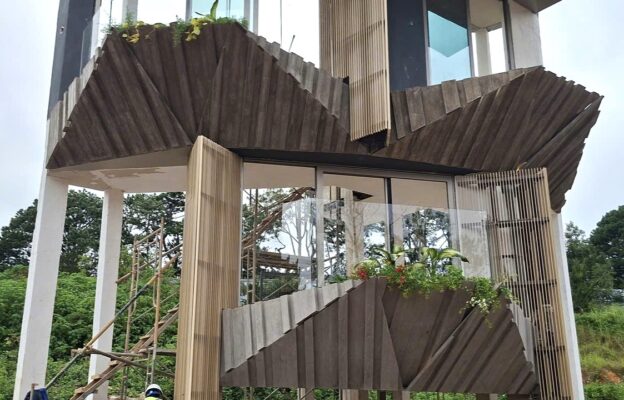
Panels are produced using formulations such as GFRC, HPC, UHPC, and precision-cast PC, achieving high compressive strength, density, and dimensional stability. These characteristics enable thin, lightweight, and durable façade solutions, suitable for tall buildings, coastal climates, and other demanding environments.
Design and fabrication flexibility
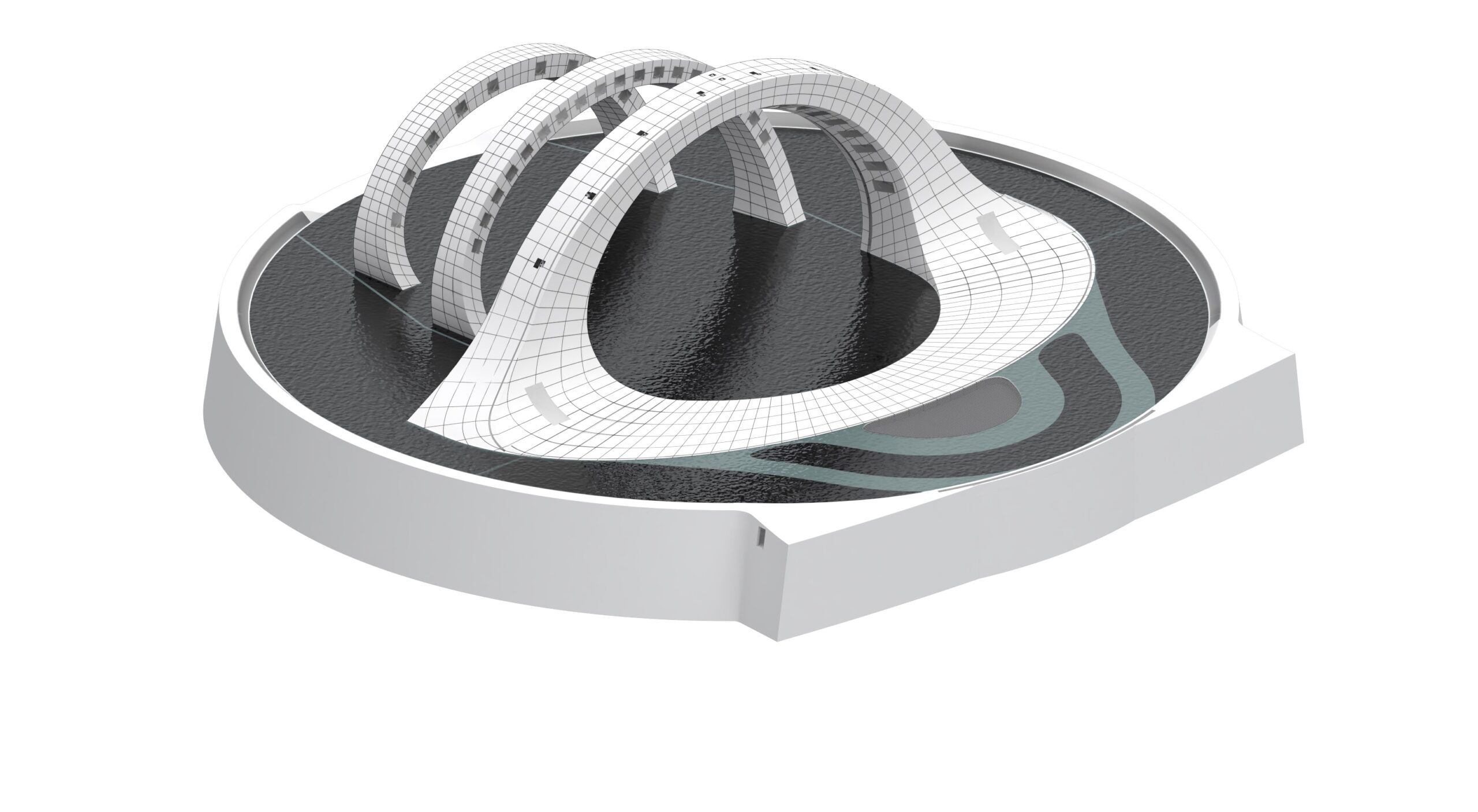
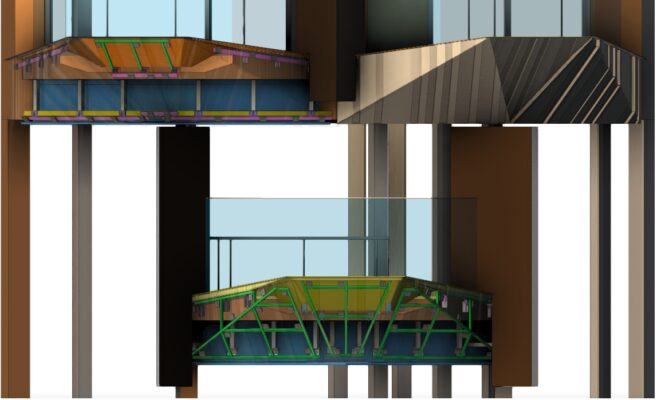
Precast modular systems can integrate with steel or aluminum subframes. Architects may specify flat, curved, or perforated elements, enhanced with CNC surface treatments or custom textures.
A tactile aesthetic
Beyond mechanical performance, GFRC offers a distinctive sensory quality — surfaces that invite touch, textures that reveal depth, and colors that evolve gracefully over time.
4. From Vision to Realization
GFRC façade systems are typically developed through collaboration between designers, engineers, and manufacturers. This integrated approach ensures that creative intent is translated into built precision.
Key stages of the process often include:
Concept-phase technical consultation.
3D surface mapping and prototyping.
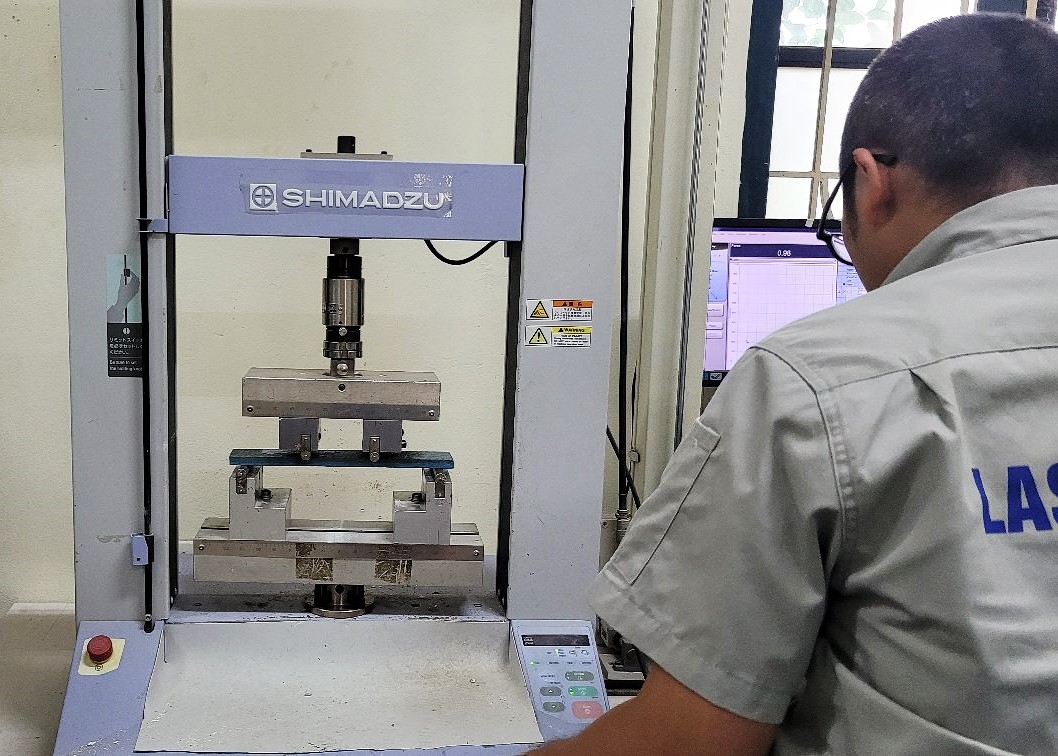
Validation of structural and environmental performance (load, thermal movement, weathering).
Custom production based on project-specific requirements.
Each façade project becomes a combination of artistic intent and technical control, where material performance supports architectural expression.
5. The Enduring Nature of Concrete
The appeal of GFRC lies in its capacity to endure — both physically and visually.
Its mineral composition allows it to age naturally, developing a subtle patina that enhances surface character rather than diminishing it.
Unlike trend-driven finishes, well-designed GFRC façades embody a quiet sense of permanence and authenticity.
Their visual continuity over time supports sustainable architecture, reducing the need for replacement or refinishing while maintaining aesthetic integrity.
6. Conclusion
The evolution of GFRC façades illustrates how material science, digital design, and craftsmanship converge to create expressive, enduring architecture. When shaped and detailed with precision, GFRC transcends its structural origins — becoming not just a medium of construction, but a language of light, texture, and time.